ICPPA 2026 Conference Programme
We are delighted to announce the following initial plans for the
first ICPPA in London on 16-17th July 2026.
Keynote Speaker
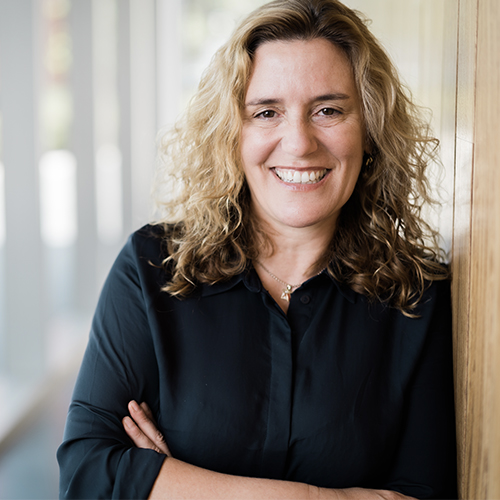
Professor Maria Luisa Gorno-Tempini
Dr. Maria Luisa Gorno-Tempini is a behavioral neurologist with a PhD in cognitive neuroscience, and directs the Language Neurobiology laboratory of the University of California San Francisco Memory and Aging Center (UCSF MAC). For the past 20 years she has applied her expertise in cognitive neurology and neuroimaging to the study of language impairments caused by various neurological conditions, with a specific emphasis on Primary Progressive Aphasia (PPA), Alzheimer's disease and frontotemporal dementia-spectrum disorders (FTD). Her multidisciplinary expertise and collaborative efforts have allowed her to conduct translational research that combines cognitive neuroscience, advanced multimodal neuroimaging and state of the art therapeutic interventions. Her NIH-funded research has resulted in innovations in diagnosis, care and treatment of PPA and in discoveries about the neural basis of specific cognitive, linguistic and behavioral functions.
Invited Speakers

Dr Chris Hardy
Dr Chris Hardy is a Principal Research Fellow at the Dementia Research Centre, University College London. He completed his PhD on auditory symptoms in primary progressive aphasia (PPA) in 2017. Following his PhD, Chris was awarded a personal Fellowship by the Royal National Institute for Deaf People and the Vivensa Foundation which ran from 2019-2020. He is currently the recipient of the Alzheimer's Society Carol Jennings Fellowship for postdoctoral research, which runs from 2024-2028. He was awarded the Elizabeth Warrington Prize in 2025 by the British Neuropsychological Society in recognition of his distinguished work as an early-career researcher. His current research focuses on characterising auditory cognitive profiles of diverse dementia phenotypes, including primary progressive aphasia and Alzheimer's disease. He is particularly interested in the potential for auditory cognitive tests to be used as 'auditory biomarkers' for dementias like PPA, with studies directed at exploring whether such tests hold utility in identifying people at close proximity to developing a clinical dementia syndrome. Chris also directs a line of research looking to identify symptom progression in the progressive aphasias and related disorders.

Dr Cathy Taylor-Rubin
Cathy Taylor-Rubin is a Sydney based speech pathologist. Two decades ago, with a growing caseload of individuals with Primary Progressive Aphasia, she focused on clinical practice and research in this emerging field. She completed a Master of Applied Science at University of Sydney, focussing on conversation breakdown in PPA, followed by PhD studies at Macquarie University investigating behavioural treatments for improving and maintaining communication for people with PPA, their families and caregivers. Her current focus is clinical practice. Both the public NSW hospital clinic she leads and her private practice, specialise in PPA and related disorders. Cathy delights in improving lives through clinical research and providing education to diagnosed individuals, families, health care providers and students.
Detailed Programme
16th July: Day 1
- Ultra-low field MRI to evaluate associations between regional atrophy and language in primary progressive aphasia Presenter: Argye Hillis
- Contributions of the right anterior temporal lobe and insula to self-transcendent experiences Presenter: Virginia Sturm
- Integrating evidence review and electric field modeling to advance tDCS for PPA Presenter: Jessica Richardson
- Machine learning-derived structural neuroimaging signatures discriminate neuropathologies in agrammatic primary progressive aphasia Presenter: Jane Stocks
- Transcranial magnetic stimulation in primary progressive aphasia: changes in connected speech and predictors of response Presenter: Jordi Matias-Guiu
- The communication bridge research program: advancing implementation readiness of person-centred interventions for primary progressive aphasia Presenter: Angela Roberts
- Clinical and neural predictors of a tailored speech and language therapy intervention for Italian individuals with Primary Progressive Aphasia Presenter: Petronilla Battista
- Advancing assessment and intervention for primary progressive aphasia in bilingual and Spanish-speaking populations Presenter: Stephanie Grasso
17th July: Day 2
- A clinical multidisciplinary virtual program for families: The strategy training and education program for persons living with primary progressive aphasia Presenter: Sharon Antonucci
- “The hands-on learning... taught me the most”: Preparing speech-language pathology students for supporting people with primary progressive aphasia Presenter: Eavan Sinden
- PPA/PPAOS Together! A community partnership for supporting people living with PPA/PPAOS Presenter: Megan Caldwell
- Spatially resolved cell-type-specific molecular drivers of anterior temporal pole neuropathology in frontotemporal lobar degeneration with TDP-43 Type C Presenter: Brian Druciak
- Left-sided Ventral Occipito-temporal Hypoactivity in PPA with History of Reading Disability Presenter: Zachary Miller
- Neuropathological fingerprints of language in primary progressive aphasia – Revisited Presenter: Michelle Los
- The impact of sociodemographic factors on clinical profiles of patients with primary progressive aphasia Presenter: Parsa Afrooz
- Detecting presymptomatic speech and language changes in genetic frontotemporal dementia with natural language processing Presenter: Arabella Bouzigues
- Divergent cognitive and behavioural timelines across primary progressive aphasia syndromes Presenter: Muireann Irish
Questions About the Programme?
The programme is subject to change. Please get in touch if you have any queries.
Contact Us